Cassadaga Spiritualist Camp: A Short History
Two dates explain the beginning
The short history of Cassadaga Spiritualist Camp turns on 1875 and 1894. George P. Colby arrived in Central Florida in 1875 and established a homestead in the area. Nineteen years later, in December 1894, organizers formed the Southern Cassadaga Spiritualist Camp Meeting Association. The community grew as a winter gathering place and permanent center for Spiritualists, and its historic district entered the National Register of Historic Places in 1991.
Those documented milestones sit beside an origin story rooted in Spiritualist belief. Keeping the two threads visible—rather than blending either one out of existence—is the honest way to understand Cassadaga.
Spiritualism supplied the wider setting
American Spiritualism developed into an organized religious movement during the nineteenth century, when new religious communities and camp meetings appeared across the country. Practitioners generally held that human personality continues after death and that communication across that boundary is possible through mediumship.
“Camp meeting” had a religious meaning long before it sounded like a summer schedule involving bug spray. Such communities created places for worship, lectures, teaching, social life, and seasonal gathering. New York became an important center of Spiritualism, including the community now known as Lily Dale.
Cassadaga, Florida, drew its name through that northern connection. Historical accounts describe early Florida organizers and visitors who knew New York's Spiritualist camp culture and wanted a winter counterpart in a warmer climate.
George Colby and the community's origin account
George P. Colby was born in New York in 1848 and became known as a trance medium and traveling lecturer. He arrived in Florida in 1875. According to the origin narrative preserved by the community, a spirit guide Colby called Seneca directed him toward land where he would help establish a Spiritualist center.
That direction is a faith claim reported by Colby and repeated in institutional histories; it is not an independently verifiable travel instruction. Historical sources can document that Colby traveled south, reached the area, established a homestead, and later transferred land connected to the association. They cannot test the supernatural cause he described.
This distinction is not a dismissal. It lets readers understand both what adherents believe and what the documentary record can establish. More history and context should work the same way: precise labels, no theatrical wink.
The association formed in 1894
The Southern Cassadaga Spiritualist Camp Meeting Association received its charter in December 1894. A DeLand historical account records that Colby signed a warranty deed to the association in January 1895. The camp developed as a religious and residential community, drawing seasonal visitors as well as people who built homes and participated more permanently.
The camp's official site still uses the 1894 establishment date. That is why saying “founded in 1875” without explanation can mislead: 1875 belongs to Colby's arrival and homestead story, while 1894 marks the organized association.
Buildings turned gathering into community
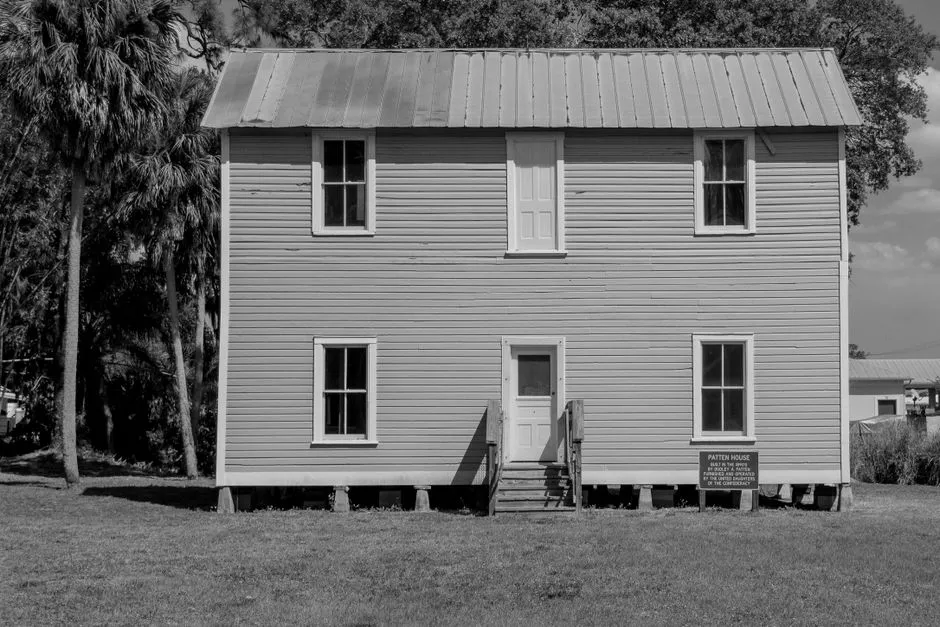
Over time, temporary or seasonal use gave way to houses, meeting buildings, parks, and other community spaces. Architectural forms reflect different construction periods rather than one perfectly preserved Victorian blueprint. The Colby Memorial Temple and other recognizable sites became part of the camp's public and religious identity.
The Orange County Regional History Center notes that the 1920s were an especially active period and that a hotel was built in 1922 for visitors. The camp's own historical writing states that the hotel is no longer part of the camp. Today, a domain name containing “hotel” should not be taken as evidence of ownership, affiliation, reservations, or current hotel information.
Historic recognition arrived in 1991
The Southern Cassadaga Spiritualist Camp Historic District was added to the National Register of Historic Places in 1991. Historic designation recognizes the significance of a place and its contributing setting; it does not turn every building into a public attraction. Cassadaga remains a residential and religious community with private spaces.
The regional tourism office describes it as the oldest active religious community of its kind in the southeastern United States. The safer historical point is broader: Cassadaga is a long-running Spiritualist community whose religious function did not end when its buildings became historic.
The present is part of the history
The Southern Cassadaga Spiritualist Camp Meeting Association continues to present services, education, mediumship, healing, and community information through its official channels. Specific programs, personnel, access, fees, and schedules can change, so a history article should not fossilize a current calendar as if it were a permanent fact.
Visitors can use how to visit Cassadaga respectfully to plan around verified public information. Researchers and media should follow the association's stated contact and permission process, especially before interviews, filming, or recording residents and practitioners.
Cassadaga's story is neither merely a ghost tale nor only a list of buildings. It is the history of a religious movement, a migration between camp communities, a founder's spiritual account, a Florida settlement, and a living group that continues to define itself. That is more interesting than a spooky nickname—and considerably better sourced.